- Alcohol helps you fall asleep faster, but sleep turns light and broken later in the night.
- Even one or two drinks can lead to poorer recovery, and the effect grows with the dose.
- Finishing your last drink three to four hours before bed gives your body time to clear most of it.
A drink before bed makes you drowsy, and people have used it as a sleep aid for centuries. The first half of that belief is true. The second half is the problem.
The first half of the night
Alcohol is a sedative. It shortens the time it takes to fall asleep and deepens sleep in the first few hours. If the night ended there, the nightcap would have a point.
The second half
Your liver clears roughly one standard drink an hour. As the alcohol level falls, the sedation wears off and your nervous system rebounds the other way.
- Sleep turns light and broken. You wake more often, sometimes fully, often around 3 or 4 a.m.
- REM sleep is suppressed early, then crowds in late. That can mean vivid, restless dreams near morning.
- You run hot. Alcohol widens blood vessels and disturbs temperature control, a common reason for waking up sweaty.
- You need the bathroom. Alcohol is a diuretic.
- Snoring gets worse. Alcohol relaxes the muscles of the throat, and it aggravates sleep apnea.
The result is a night that looks long enough on paper and feels thin in the morning.
How much, how late
The effect grows with the dose, and it starts lower than most people expect. Studies using sleep trackers find measurably poorer recovery even after one or two drinks.
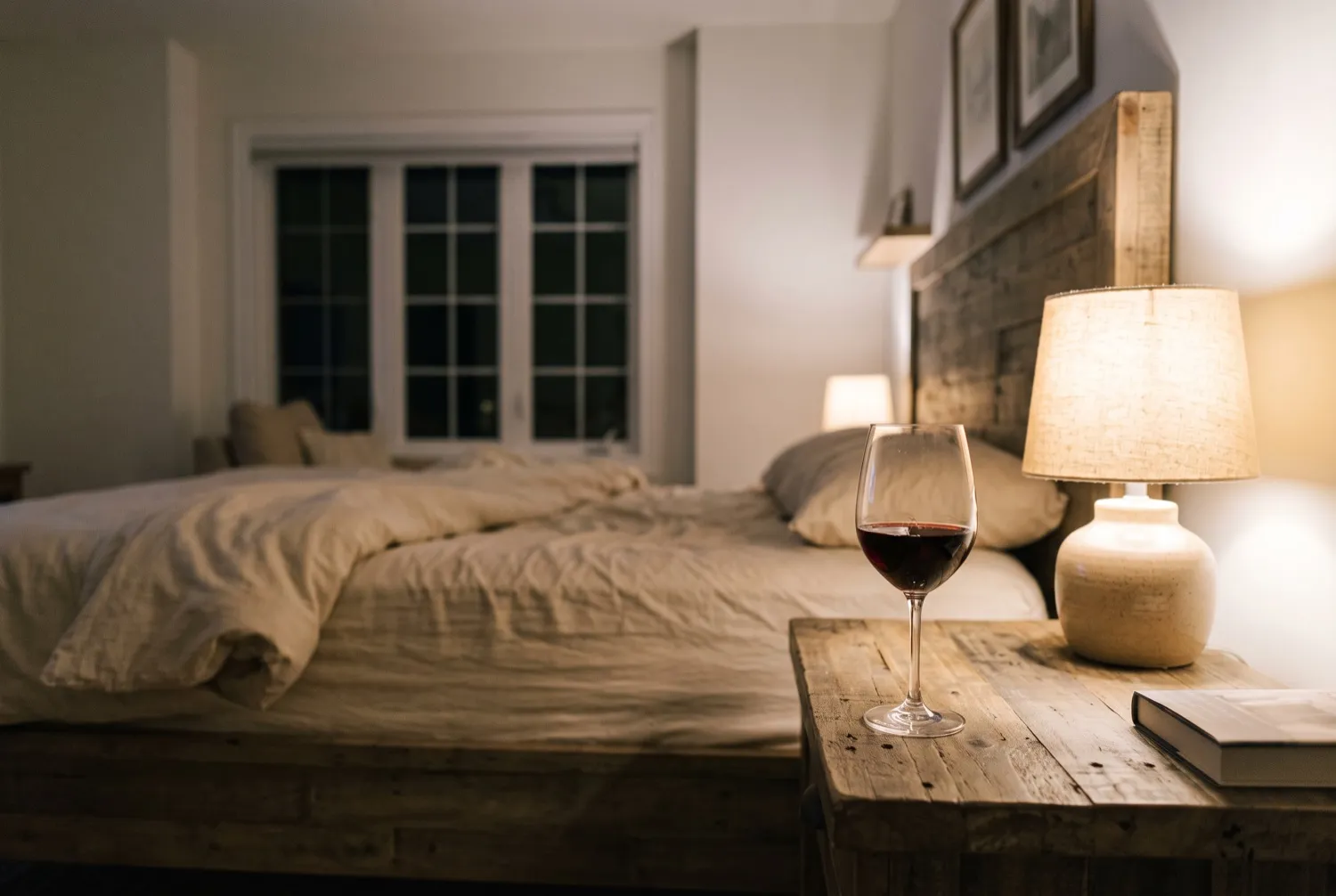
Timing helps. Finishing your last drink three to four hours before bed gives your body time to clear most of it before you lie down. Wine with dinner at seven is a different thing from a whisky at half past ten.
If you’d like to test it
Try two weeks with no alcohol within four hours of bedtime, and watch three things: how often you wake in the night, whether you wake up hot, and how you feel at 10 a.m. People are often surprised by the difference.
Better wind-down swaps
- A warm shower an hour before bed
- Herbal tea, or anything warm and caffeine-free
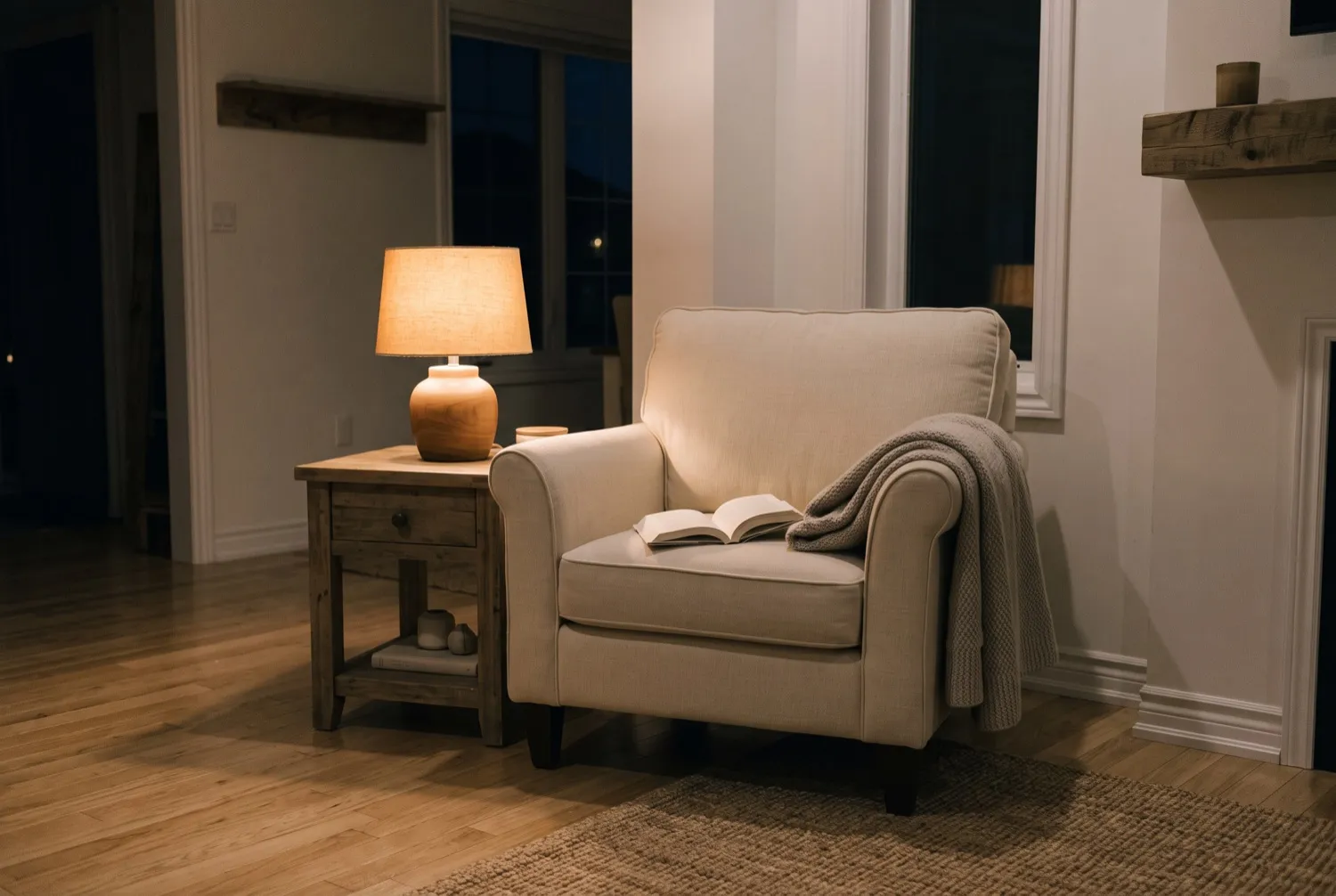
- Ten minutes with a paper book in low light
If you find you can’t fall asleep without a drink, that is worth an honest conversation with your doctor. It is common, and it can be treated.
This article is general information, not medical advice. If poor sleep is affecting your days, talk to your doctor.