- A nap of 10 to 20 minutes improves alertness and mood without reaching deep sleep.
- Naps of 30 to 60 minutes reach deep sleep and can leave you groggy for half an hour or more.
- The best nap window is around 1 to 3 p.m., and later naps eat into the sleep pressure needed at bedtime.
Some naps leave you sharp. Others leave you groggy, cross and confused about what day it is. You can choose which one you get.
What happens when you nap
In the first 20 minutes or so you stay in light sleep. After about half an hour you start sinking into deep sleep. Wake from light sleep and you feel refreshed. Wake from deep sleep and you get sleep inertia: that thick, drugged feeling that can last half an hour or more.
A full cycle, light to deep to REM and back up, takes about 90 minutes. Wake at the end of one and you are back in light sleep.
So there are two good nap lengths and a bad zone in between.
The two naps that work
The short nap: 10 to 20 minutes. Enough to improve alertness and mood for a couple of hours, short enough to avoid deep sleep. Set an alarm for 25 minutes to allow time to drift off.
The full-cycle nap: about 90 minutes. Useful when you are badly short on sleep, before a night shift or a long drive. It will take a bite out of that night’s sleep, so use it on purpose.
The trap: 30 to 60 minutes. Long enough to reach deep sleep, too short to come back out.
Timing
The natural dip in alertness comes in the early afternoon, around 1 to 3 p.m. for most people. That is the window.
Napping after about 3 p.m. eats into the sleep pressure you need at bedtime. If you already struggle to fall asleep at night, skip naps altogether for a couple of weeks and see whether nights improve.
The coffee nap
It sounds silly and has research behind it. Drink a coffee, then lie down straight away for 20 minutes. Caffeine takes about that long to reach your brain, so it arrives just as you wake. Keep it to early afternoon.
Make it easy
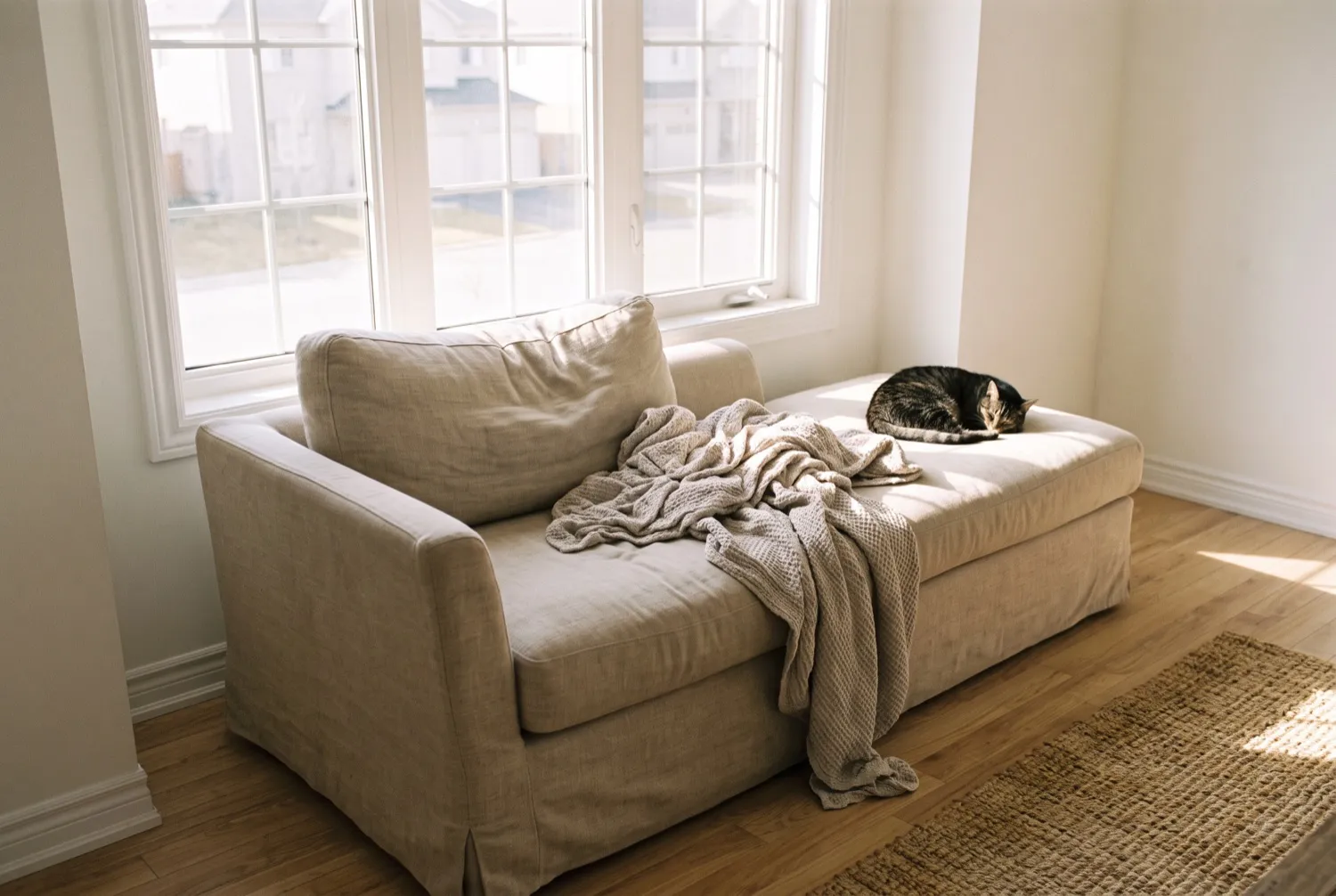
- Lie down somewhere dim and quiet. A couch works as well as a bed.
- A light throw helps, because body temperature drops when you doze.
- Don’t worry if you never fully fall asleep. Quiet rest with your eyes closed still helps.
If you need a nap every day to get through, even after a full night, treat that as information. It is worth raising with your doctor.
This article is general information, not medical advice. If poor sleep is affecting your days, talk to your doctor.