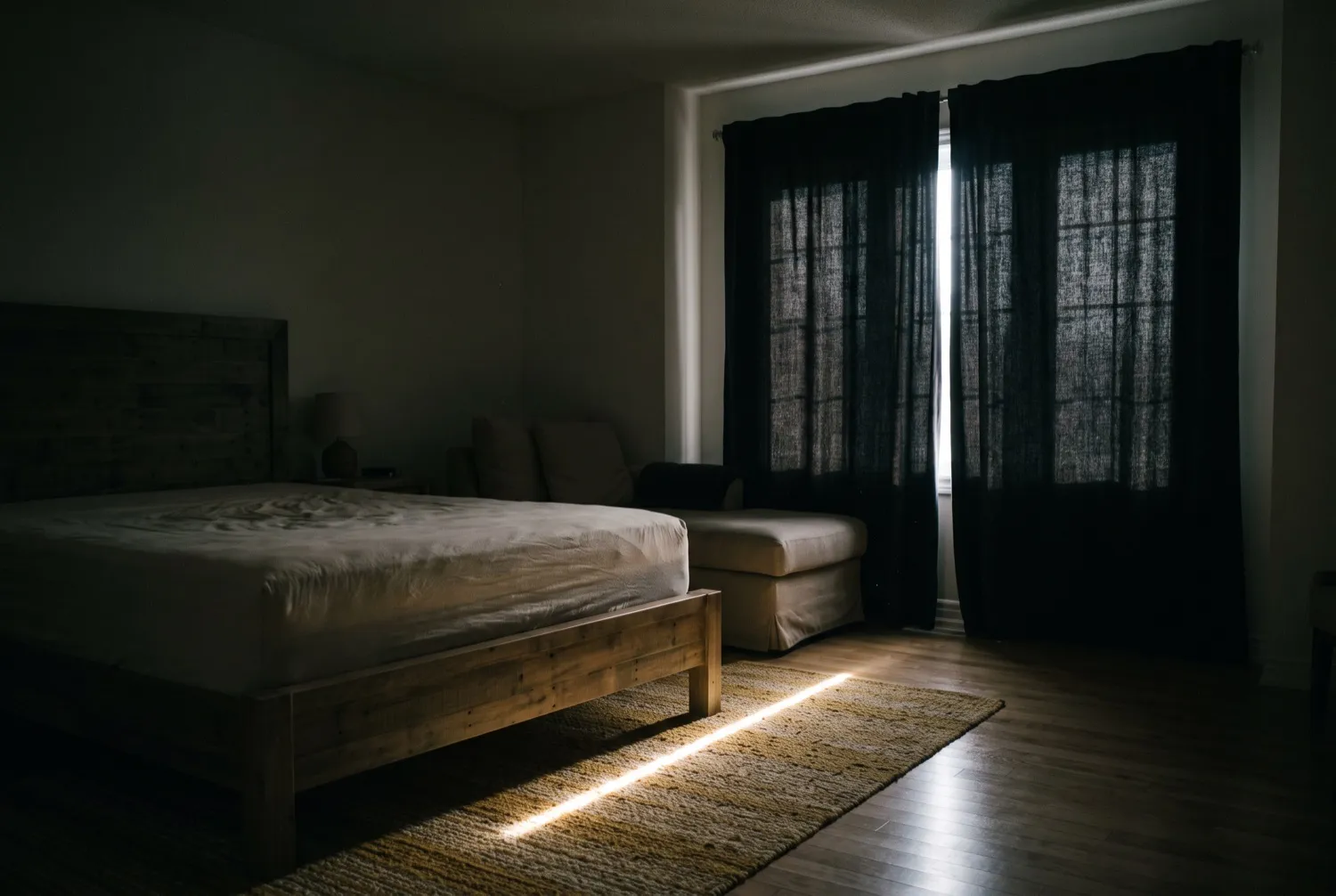
- Your body clock needs bright light soon after waking, and dark winter mornings let it drift later.
- Getting outside within an hour of waking for 15 to 30 minutes helps, even when it is overcast.
- Dry furnace air and overheated bedrooms also disturb winter sleep, so cool the room and run a humidifier.
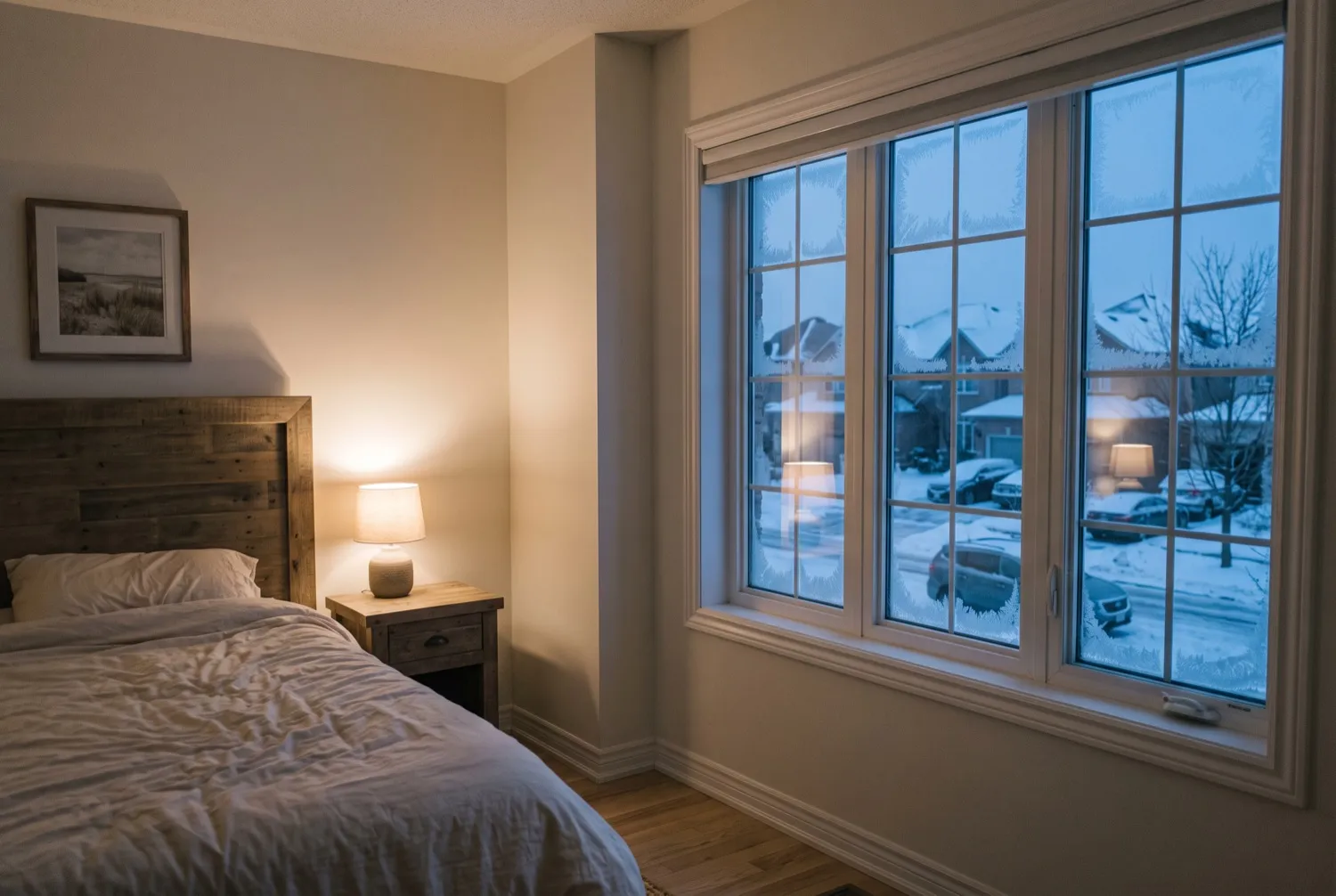
By December much of Canada gets fewer than nine hours of daylight, and plenty of us leave for work in the dark and come home in it. If you feel sluggish in the morning and oddly awake at night from November to March, the season is doing it.
Your clock runs on morning light
Your body clock doesn’t keep perfect time. It runs slightly long and needs resetting every day, and the reset signal is bright light soon after waking.
In summer you get it without trying. In winter you wake in the dark, eat under kitchen lights and commute at dawn. Indoor lighting is far dimmer than daylight, often 300 to 500 lux against more than 10,000 outside even on a grey day. Without a strong morning signal your clock drifts later. You can’t get going in the morning, and you are not sleepy at bedtime.
The other winter problems
- Dry air. Furnaces dry out the house. A dry nose and throat mean more snoring and more wake-ups.
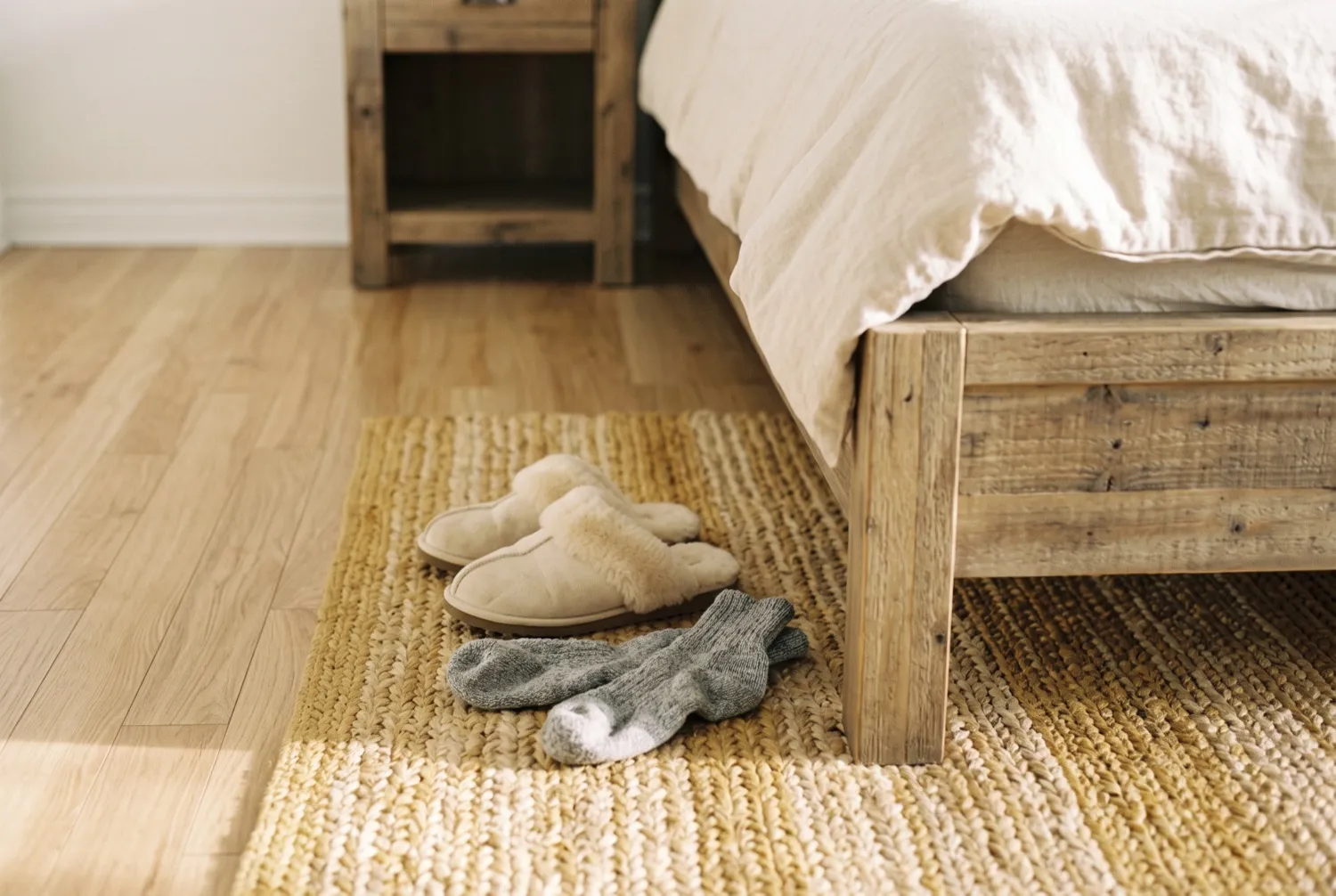
- Overheated bedrooms. We turn the heat up and pile on the duvets.
- Less movement. Cold and ice keep people indoors, and activity is one of the things that deepens sleep.
- The clock change. Falling back in November is the easier of the two, but it still takes some people a week to settle.
The morning fix
- Get outside within an hour of waking, for 15 to 30 minutes. A walk to the bus stop counts. Overcast still works.
- If it is dark when you get up, use a light therapy lamp. The usual advice is 10,000 lux for about 20 to 30 minutes in the morning, at arm’s length while you eat breakfast.
- Keep your wake-up time fixed, weekends too.
- Turn the lights up bright at breakfast and down low after dinner.
The rest of the list
- Set the bedroom to 16 to 19 °C and run a humidifier at 30 to 50%.
- Move during daylight if you can. A lunchtime walk covers light and exercise at once.
- Keep evenings cozy without overheating: a throw on the couch beats turning up the furnace.
When it is more than a slump
Seasonal affective disorder is a form of depression that returns each autumn and winter. It often brings oversleeping, carbohydrate cravings and low mood, and it is more common at northern latitudes.
If low mood lasts more than two weeks or gets in the way of work or family life, see your doctor. Light therapy is a recognised treatment, and people with eye conditions or bipolar disorder should get medical advice before starting it.
This article is general information, not medical advice. If poor sleep is affecting your days, talk to your doctor.